Renal Replacement Therapy for Septic Shock Patients in ICU: A Systematic Review
DOI:
https://doi.org/10.55497/majanestcricar.v44i2.492Keywords:
Intensive Care Unit, renal replacement therapy, septic shockAbstract
Introduction: Septic shock is a life-threatening condition frequently complicated by acute kidney injury (AKI), often necessitating renal replacement therapy (RRT) in the intensive care unit. This systematic review aims to critically appraise renal replacement therapy modalities in adult patients with septic shock in the ICUt.
Methods: This comprehensive systematic review synthesizes evidence from 80 sources, including meta-analyses, randomized controlled trials, and observational studies from 2004 to 2025. A structured screening process focused on adult ICU patients with septic shock receiving RRT, excluding chronic dialysis patients. Data were extracted on RRT modalities, patient characteristics, comparators, clinical outcomes, safety profiles, and study context.
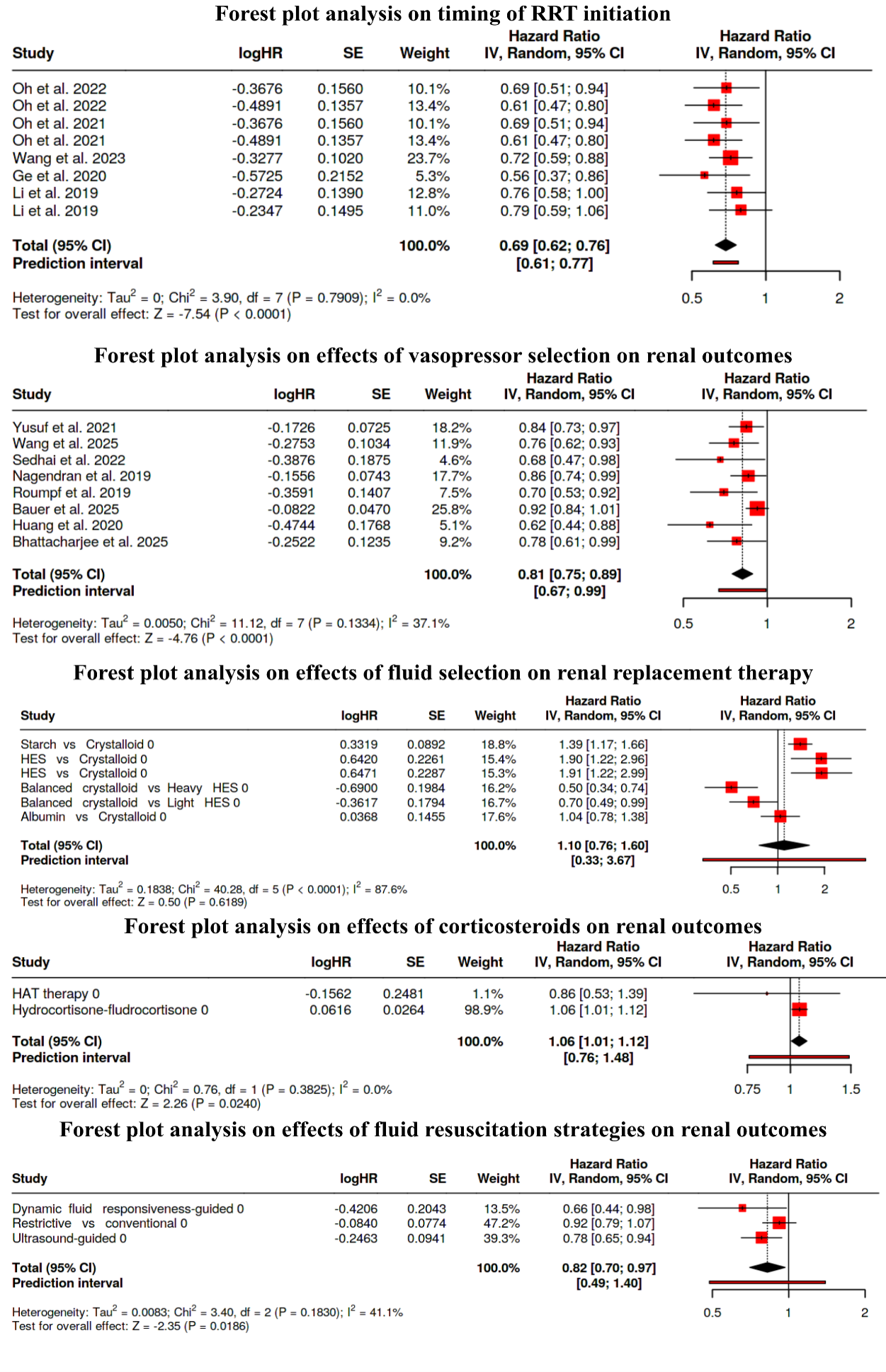
Results: High-volume hemofiltration (HVHF) showed no consistent mortality benefit over standard volume therapy. Early RRT initiation may reduce mortality in specific subgroups. Blood purification techniques like Polymyxin-B hemoperfusion (PMX-HP) and the oXiris filter showed mortality benefits, particularly in intermediate-to-high-risk patients, though with notable regional variance. Vasopressin use was consistently associated with reduced RRT requirements compared to catecholamines. Fluid choice significantly impacted renal outcomes, with hydroxyethyl starch (HES) solutions consistently increasing the risk of RRT compared to balanced crystalloids.
Conclusion: RRT strategies in septic shock should be individualized. For moderate AKI, early RRT may be beneficial. Vasopressin is recommended to reduce RRT dependency, and balanced crystalloids are preferred over HES for fluid resuscitation. Future research should focus on personalized medicine approaches and well-designed RCTs for emerging blood purification technologies