Senning Procedure in Adolescent With TGA-IVS: Anesthetic Strategy
DOI:
https://doi.org/10.55497/majanestcricar.v44i2.477Keywords:
arrhythmia, atrial switch operation, right ventricular dysfunction, transposition of the great arteriesAbstract
Introduction: Transposition of the great arteries with intact ventricular septum (TGA-IVS) is typically corrected in infancy, with arterial switch operation (ASO) as the gold standard. Survival into adolescence is exceptionally rare and depends on adequate intercirculatory mixing through an atrial septal defect.
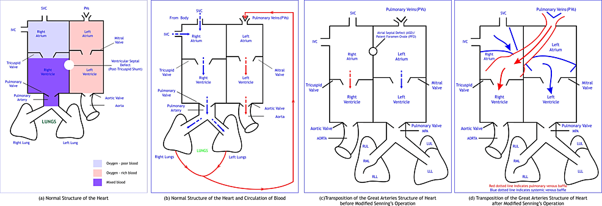
Case Description: This study presents a case of a 13-year-old adolescent with TGA-IVS who underwent the senning procedure as an alternative due to unsuitability for ASO. Anesthetic management included judicious selection of inotropes with milrinone and epinephrine, strict rhythm control, electrolyte optimization, and intraoperative transesophageal echocardiography (TEE) monitoring. Perioperative diagnosis revealed RV systolic pressure >⅔ of systemic, necessitating the senning procedure to redirect venous return at the atrial level. The patient was successfully managed with satisfactory clinical outcomes oxygen saturation >95% without arrhythmias at hospital discharge on postoperative day 7. Meticulous anesthetic management addressing systemic RV dysfunction and arrhythmia prevention proved crucial for surgical success.
Conclusion: This case emphasizes the significant role of anesthesiologists in managing this complex cardiac population, particularly in rare cases where anatomical repair is no longer feasible.